September 11, 2026
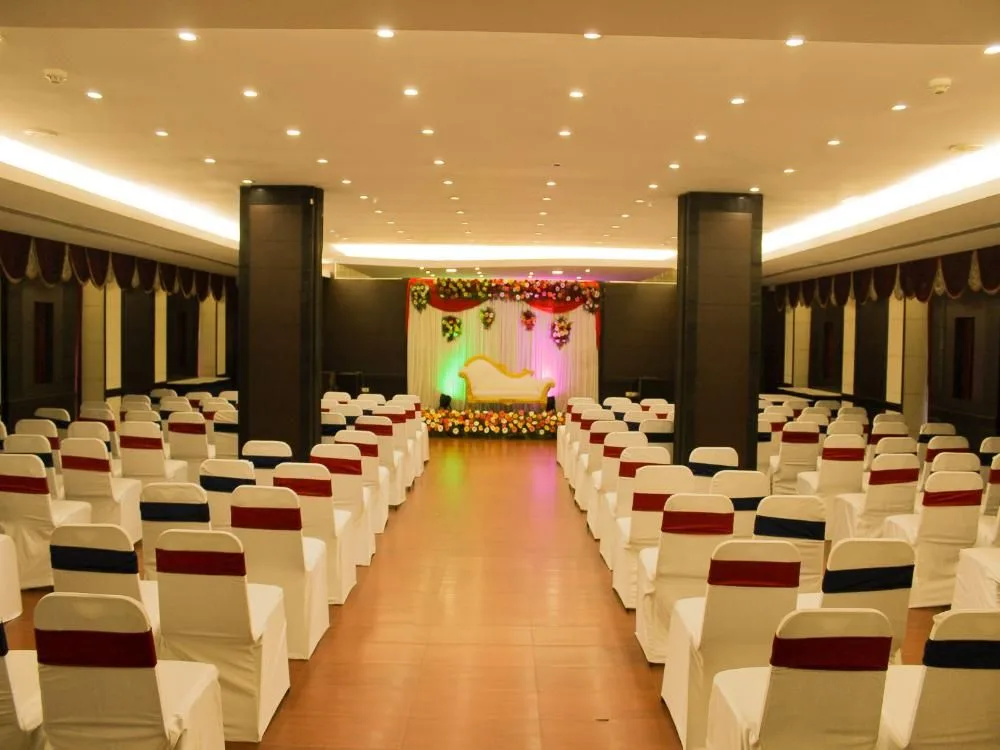
Booking a venue for an Indian celebration comes with a different set of questions than booking a generic event space. Dietary needs across a mixed guest list, whether the food is cooked fresh onsite or brought in, and how well a kitchen can actually handle a full Indian menu at scale all matter more here than they do for a standard banquet hall search. That is why so many people searching Indian Banquet Halls Near Me East Windsor are not just looking for square footage and a date on a calendar, they are looking for a space that understands Indian food and hosting culture specifically.
This guide covers what to actually evaluate before booking, and where Hyderabad Biryani House fits into that decision for events in the East Windsor area.
An Indian event, whether a wedding function, engagement, birthday, or community gathering, typically needs a kitchen capable of producing multiple curries, biryani, tandoori items, and bread in large volume at once, rather than a single standardized catering menu. Many general purpose banquet halls outsource food to outside caterers, which adds coordination steps and inconsistent quality, so a venue with its own kitchen already built around Indian cooking removes a layer of risk from the planning process.
Three things are worth confirming before committing to any hall, Indian focused or otherwise:
A well planned Indian event menu treats vegetarian dishes as equally developed as the meat options rather than a single side dish added to check a box. This typically means offering full vegetarian versions of the main courses, for example a veg biryani or paneer dish alongside a chicken or goat biryani, rather than only a plain rice and one curry for vegetarian guests. Mixed guest lists are the norm rather than the exception for Indian celebrations, so this is one of the first things worth clarifying with any venue during the planning conversation.
A menu suited for a banquet or event setting generally spans a few core categories rather than a narrow selection. That includes appetizers such as tandoori or tikka items, a range of biryani options across chicken, goat, and vegetarian styles, a selection of curries for guests who prefer rice or bread over biryani, bread like naan or tandoori roti, and rice or side dishes that round out a full plate. You can review the full range of dishes, including biryani, curries, tandoori items, and vegetarian options, on HBB's indian restaurant menu to get a sense of what a complete event spread could include.
A buffet style setup works well for larger or more casual gatherings, since it allows guests to choose their own portions and revisit dishes they prefer, and it is generally easier to manage for a mixed dietary guest list since everything is laid out and clearly labeled. A plated menu, by comparison, suits smaller, more formal events where a fixed course structure fits the occasion better. For most Indian celebrations with a broad guest list spanning different ages and dietary preferences, a buffet or thali style format tends to be the more practical choice.
Two details are easy to miss during the planning process. First, spice level should be discussed in advance rather than assumed, since a menu built for a general audience often needs adjusting for events with a wider age range or unfamiliar guests. Second, timing matters more for Indian food than some other cuisines, since dishes like biryani and tandoori items are best served fresh rather than held for long periods, so confirming how the kitchen handles serving timing for a multi hour event is worth asking about directly.
Booking a venue for an Indian event comes down to a few practical checks, onsite cooking capability, dietary flexibility across the guest list, and whether the format fits the size and formality of the occasion. Anyone comparing Indian banquet halls near East Windsor should weigh those factors before finalizing a booking, and diners who want to sample the food directly before committing to an event can also order individual dishes for pickup online ahead of time.
A specialized venue typically has a kitchen built around Indian cooking volume and technique, meaning biryani, curries, and tandoori items are prepared onsite rather than outsourced, which generally results in fresher food and fewer logistics to coordinate separately.